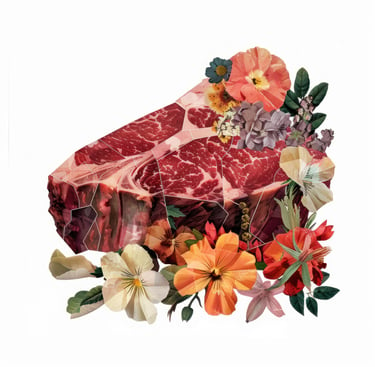
Protein

Why is protein suddenly everywhere?

From yogurt to ice cream... when did everything become high in protein?

Walk into almost any supermarket today and you'll see it.

High-protein yogurt.
High-protein milk.
High-protein cereal.
Protein bars.
Protein puddings.

Even ice cream and potato chips now proudly carry a "high protein" label.
It almost seems as if protein has become the latest health trend.

But has protein suddenly become more important?
Or are we simply paying more attention to something that has always mattered?

Protein was never the problem

Protein isn't new.
It's one of the three essential macronutrients your body needs, alongside fats and carbohydrates.
Every cell in your body depends on it.

Protein helps build and repair muscles, supports your immune system, produces enzymes and hormones, and plays an important role in keeping you full after eating.

So no...
Protein isn't a trend.

It's always been essential.

So why all the attention now?

For years, the official protein recommendations focused on preventing deficiency.
The current Recommended Dietary Allowance (RDA) was never intended to define the optimal amount of protein for muscle maintenance, healthy ageing or physical performance.

It was designed to answer a much simpler question:
"How much protein does someone need to avoid deficiency?"

Over the past decade, research has increasingly suggested that many people—especially older adults, active individuals and those trying to lose weight—may benefit from higher protein intakes than the minimum recommendation.
At the same time, food manufacturers realised something too...

Protein sells.

Does that mean every high-protein product is healthy?

Not at all.
Adding protein to a product doesn't automatically make it nutritious.
Many protein-enriched foods are still highly processed and may contain added sugars, refined starches or long ingredient lists.

Sometimes the packaging changed more than the food itself.

The HelloHealth Perspective

Protein deserves the attention it gets.
That doesn't mean every product with a "high protein" label deserves a place in your shopping basket.

Instead of asking:
"How much protein does this contain?"

A better question might be:
"Would I still choose this if the label didn't say 'high protein'?"

Real food rarely needs clever marketing.

Where can you get enough protein?

Fortunately, you don't need expensive powders or protein snacks.
Excellent sources include:

  • Eggs

  • Fish

  • Meat

  • Poultry

  • Greek yogurt

  • Cottage cheese

  • Legumes

  • Nuts and seeds

These foods provide much more than protein alone—they also contain vitamins, minerals and healthy fats.

Key Takeaways

✓ Protein has always been essential—it isn't a new trend.

✓ The RDA was designed to prevent deficiency, not necessarily to optimise health or muscle maintenance.

✓ Many experts now believe higher protein intakes may benefit many people, especially as they age.

✓ A "high protein" label doesn't automatically make a product healthy.

✓ Start with real food before reaching for protein-enriched products.

All rights reserved HelloHealth.life 2026